
Whether you’re curious about building a conscious closet or just tired of fast fashion’s endless cycle, welcome — you’re in the right place. This beginner’s guide will break down what sustainable fashion really means, why it matters, and how you can start making thoughtful changes today. No guilt, no overwhelm — just simple, empowering steps toward a more ethical wardrobe.
👗 What Is Sustainable Fashion?
At its core, sustainable fashion refers to clothing that is designed, produced, and consumed in ways that are environmentally friendly, socially responsible, and economically viable. It goes beyond trends — focusing instead on long-term impact. In other words, it’s about what you wear, how it was made, and what happens to it after you’re done wearing it.
Sustainable fashion considers:
- How materials are sourced (Are they renewable, biodegradable, or recycled?)
- Who makes your clothes (Are workers paid and treated fairly?)
- How long your clothing lasts (Is it durable and well-constructed?)
- What happens at the end of a garment’s life (Can it be reused, recycled, or composted?)
It’s a mindset shift — from fast-paced consumption to thoughtful curation.
🌍 Why Does Sustainable Fashion Matter?
1. The Environmental Impact of Fast Fashion
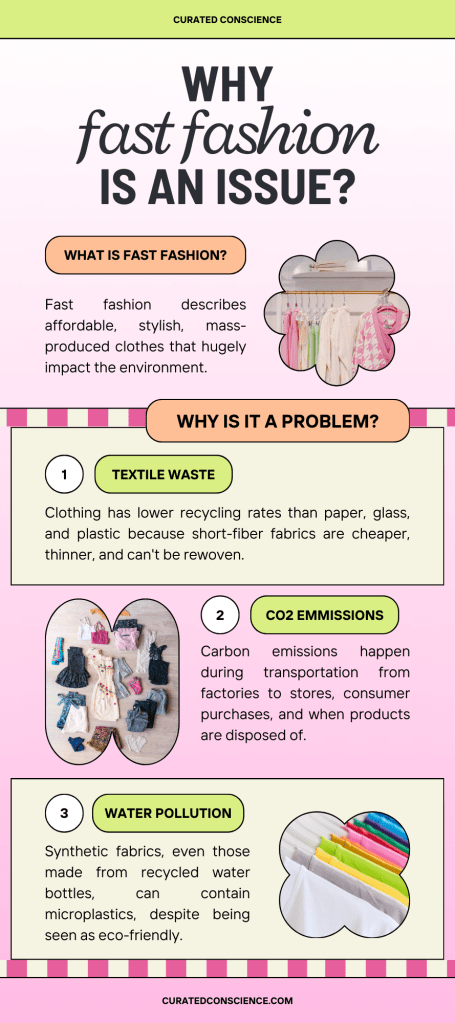
The fashion industry is among the top polluters in the world. Here’s why:
- Over 100 billion garments are produced each year — many are worn only a few times.
- It takes about 2,700 liters of water to produce a single cotton t-shirt — enough for one person to drink for two and a half years.
- Synthetic fibers like polyester are made from fossil fuels and shed microplastics into waterways every time you do laundry.
- About 92 million tons of textile waste are generated annually — most of which ends up in landfills or is incinerated.
2. The Human Cost of Fast Fashion
Behind the price tags of fast fashion are millions of underpaid garment workers — mostly women — often working in unsafe, exploitative conditions.
In 2013, the Rana Plaza factory collapse in Bangladesh killed over 1,100 people. It was a wake-up call for the global fashion industry — but little has changed.
Sustainable fashion pushes for fair wages, safe working conditions, and transparency in the supply chain. It’s about valuing people as much as the planet.
🧵 The 5 Pillars of Sustainable Fashion
Let’s break down the foundational values of the sustainable fashion movement.
1. Ethical Production
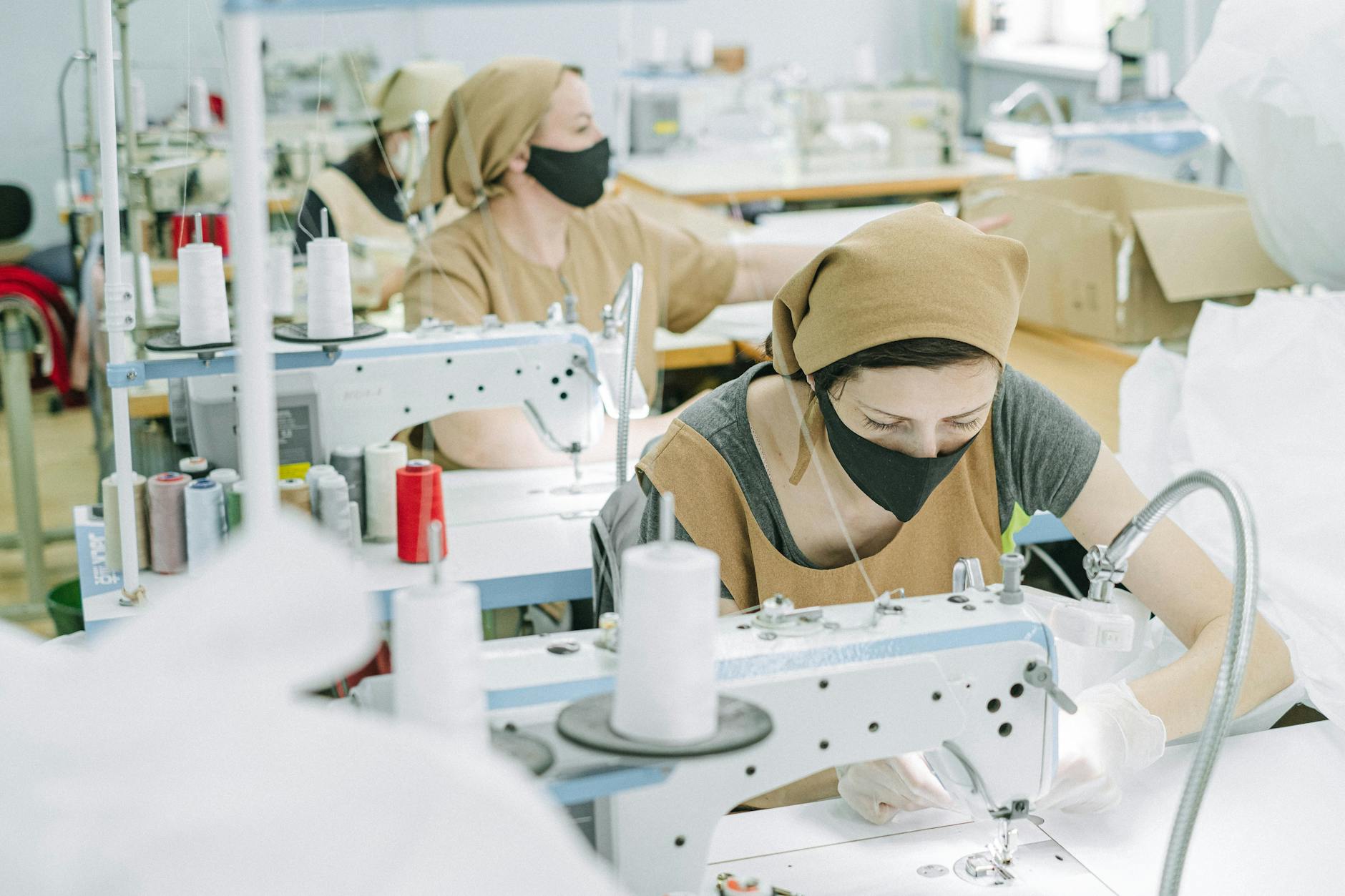
Ethical fashion ensures that garment workers are treated with dignity, paid fairly, and work in safe environments. Transparency is key — many sustainable brands openly share their factory partners, labor practices, and audits.
2. Eco-Friendly Materials

Choosing the right materials significantly reduces a garment’s environmental footprint. Some top choices include:
- Organic cotton (uses less water and no toxic pesticides)
- Hemp (fast-growing, low-impact)
- Linen (made from flax, naturally biodegradable)
- TENCEL™ / Lyocell (from wood pulp, closed-loop process)
- Recycled fabrics (like rPET from plastic bottles)
Avoid synthetic fabrics like virgin polyester and nylon when possible — they rely on petroleum and don’t biodegrade.
3. Slow Fashion Over Fast Fashion

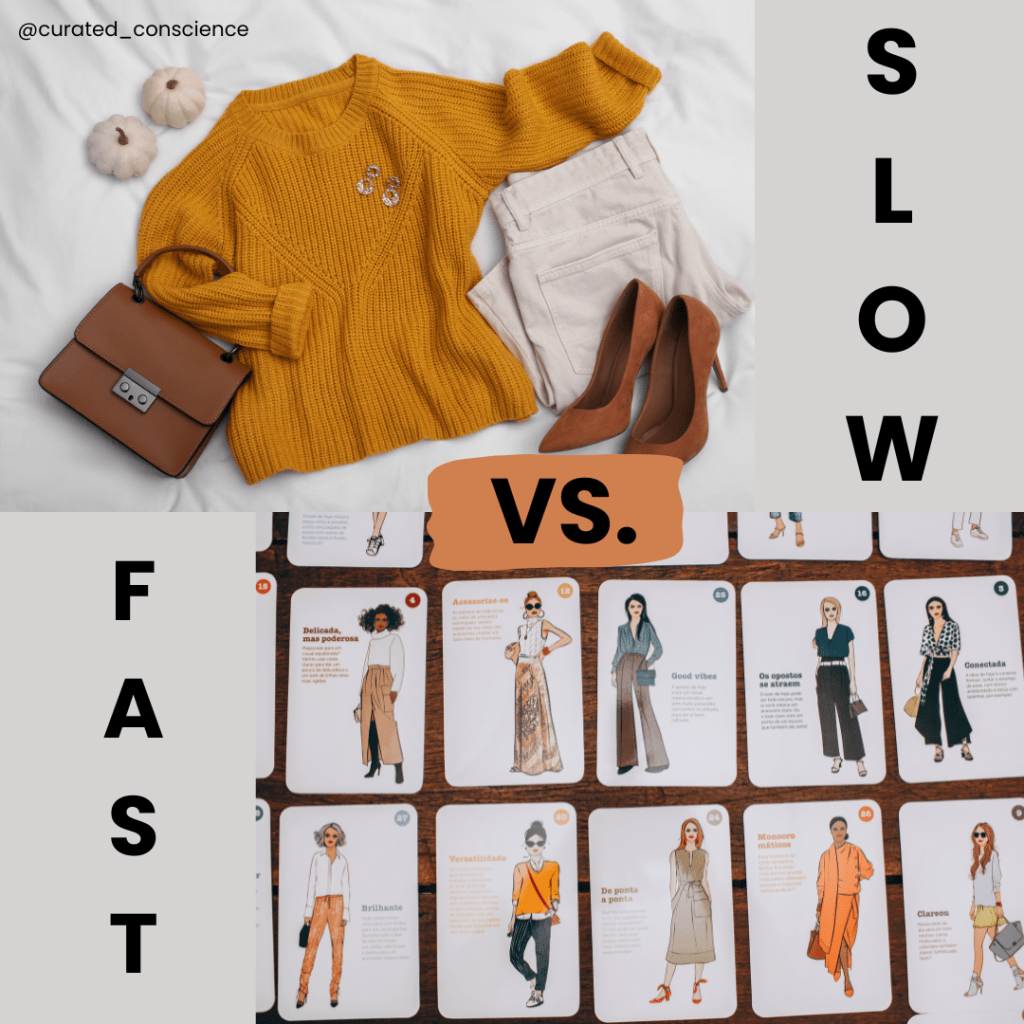
Slow fashion embraces thoughtful design and longer-lasting pieces. Instead of chasing trends, it asks: Will I love and wear this for years to come?
It emphasizes:
- Fewer, better items
- Local production and small batches
- Time-tested silhouettes and styles
4. Circularity

Circular fashion focuses on designing out waste from the start. Garments are made to be reused, repaired, resold, or composted.
Some strategies include:
- Take-back programs (e.g., For Days, Girlfriend Collective)
- Repair services (e.g., Patagonia’s Worn Wear)
- Upcycling old garments into new ones
📌 Think of it as clothing with an afterlife.
5. Minimal Waste

Sustainable brands avoid overproduction and landfill-bound stock by:
- Producing only what’s needed
- Using scraps and offcuts creatively
- Reducing packaging and opting for recyclable or compostable materials
Zero-waste patterns and made-to-order models are growing trends that reduce textile waste at the source.
🛍️ How to Start Your Sustainable Fashion Journey
You don’t need to throw out your fast fashion or only buy from expensive brands to participate. Sustainability starts with mindful choices, not perfection.
✅ 1. Wear What You Already Own
The greenest clothes are the ones already in your closet. Try:
- Restyling pieces in new ways
- Layering or accessorizing creatively
- Mending or tailoring for better fit
This alone reduces demand for new production.
✅ 2. Buy Less, Choose Well
Ask yourself:
- Do I truly love this?
- Can I style it 3+ ways?
- Will I wear it 30 times?
Intentional shopping reduces waste, clutter, and regret.
✅ 3. Shop Secondhand
Thrifting is budget-friendly and eco-conscious. Try:
- Local thrift or consignment shops
- Apps like Poshmark, Depop, or thredUP
- Vintage markets for one-of-a-kind finds
You’ll find gems — and extend the life of garments that already exist.
✅ 4. Support Sustainable Brands
When you do buy new, vote with your wallet. Look for:
- Transparency pages
- Certifications (GOTS, Fair Trade, B Corp, OEKO-TEX)
- Honest messaging (watch out for greenwashing)
📌 Coming soon: a full list of sustainable brands I love.
✅ 5. Learn to Mend or Alter
Sewing on a button, patching a hole, or shortening a hem are empowering skills that save clothes from the landfill.
There are tons of beginner tutorials on YouTube — and it’s easier than you think!
✅ 6. Host a Clothing Swap
Invite friends to bring a few items they no longer wear and swap away! It’s fun, free, and community-building.
⚠️ What Sustainable Fashion Isn’t
Let’s bust some myths:
❌ It’s not about being perfect. Everyone starts somewhere.
❌ It’s not only for the rich. Thrifting and restyling are accessible to many.
❌ It’s not about guilt. Sustainable fashion is an invitation to slow down — not a punishment.
❌ It’s not just for minimalists. You can love color, texture, or trends and still be intentional.
It’s about doing what you can, when you can — and choosing better where possible.
✨ My Journey with Sustainable Fashion
I didn’t always shop sustainably. Like many, I grew up during the rise of fast fashion — shopping hauls, clearance racks, and impulse buys. But eventually, I realized that my overflowing closet wasn’t making me happy.
The turning point came when I watched the documentary The True Cost. It opened my eyes to the environmental destruction and labor abuse behind cheap clothes. I started asking questions: Where do my clothes come from? Who makes them? What happens when I toss them out?
From there, I began to shop secondhand, research ethical brands, and embrace a capsule wardrobe. I’m still learning — but I’ve never felt more aligned with my values.
That’s what Curated Conscience is all about.
📌 Coming Soon on the Blog:
✅ 10 Sustainable Brands I Love
✅ How to Build a Capsule Closet (Without Buying Anything New)
✅ Secondhand Shopping 101: Best Sites & Thrifting Tips
💬 Final Thoughts

Sustainable fashion is not a trend — it’s a return to intention. It asks us to slow down, to see the story behind what we wear, and to honor both people and the planet in the process.
Whether you’re taking your first step or your hundredth, you belong here. This is a place to learn, grow, and get inspired — one garment at a time.
What’s your next step toward a more conscious closet? Let me know in the comments or send me a message — I’d love to hear your story. 💚

 Curated Conscience
Let me know what you think!